

The Gut-Brain-Nutrition Connection: How Food Influences Mental Performance
The relationship between nutrition, digestion, and brain function has become an important area of scientific research. The digestive system and brain communicate through several pathways involving the nervous system, hormones, immune responses, and the gut microbiome.
This relationship is often referred to as the gut-brain axis. Although researchers are still working to understand many aspects of it, nutrition plays an important role in providing the energy and nutrients the brain and body need to function normally.
Understanding the Gut-Brain Connection
The gut and brain communicate continuously through several biological pathways. The vagus nerve is one important pathway connecting the brain with the digestive system. Signals can also be influenced by hormones, immune activity, and substances produced by microorganisms living in the digestive tract.
The gut microbiome—the community of microorganisms living in the digestive system—is an active area of research. Scientists are studying how changes in the microbiome may interact with metabolism, immune function, and brain-related processes.
However, the gut-brain connection should not be misunderstood as proof that individual foods can directly make a person smarter or dramatically improve concentration.
Nutrition is better understood as one part of the overall foundation required for normal brain and body function.
Nutrients and Cognitive Performance
The brain requires a continuous supply of energy and nutrients. A balanced diet provides carbohydrates, protein, fats, vitamins, minerals, and other compounds needed for normal physiological functions.
Some nutrients have particularly important roles in neurological function. For example, protein provides amino acids used to build proteins and other compounds, while dietary fats provide essential fatty acids and support cell structure.
Vitamins and minerals are also involved in numerous metabolic and neurological processes.
Inadequate nutrition can contribute to fatigue and reduced physical well-being, and some nutrient deficiencies can affect neurological function. However, taking extra nutrients does not automatically improve cognitive performance when a person already receives adequate amounts.
The Gut Microbiome
The gut microbiome consists of a large and diverse community of microorganisms living in the gastrointestinal tract.
Diet is one of several factors that can influence the composition and activity of the gut microbiome. Foods containing dietary fiber, including vegetables, fruits, legumes, whole grains, nuts, and seeds, can be used by certain intestinal microorganisms.
Some gut microorganisms ferment dietary fiber and produce short-chain fatty acids (SCFAs) such as acetate, propionate, and butyrate. These compounds are involved in metabolic and physiological processes, and researchers are investigating how gut-derived compounds may interact with the nervous system.
Importantly, research into the gut microbiome and mental health is still developing. Associations found in studies do not necessarily prove that changing the microbiome will directly improve cognitive performance or treat mental health conditions.
Brain- and Gut-Friendly Foods
There is no need to purchase expensive "brain-boosting" foods to support a healthy diet.
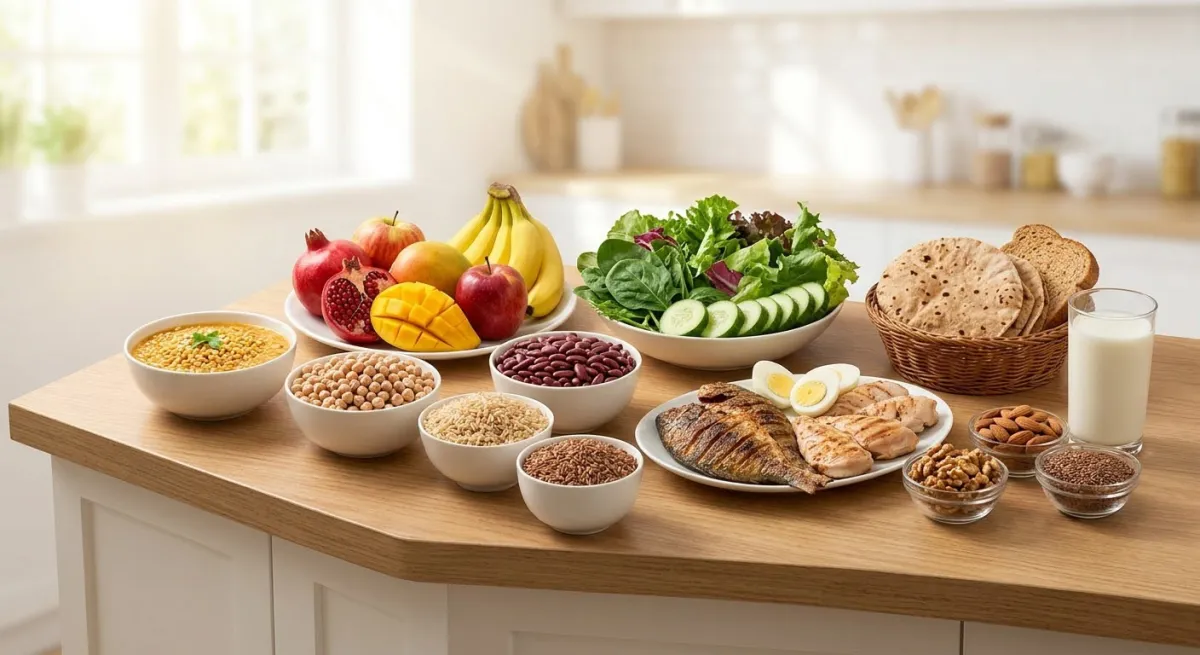
A varied eating pattern can provide many of the nutrients needed for normal health. Useful food groups include:
- Vegetables
- Fruits
- Lentils and other legumes
- Whole grains
- Nuts and seeds
- Eggs
- Fish
- Dairy products such as yogurt and milk
- Other nutritious protein sources
For people in Pakistan, familiar foods such as daal, chickpeas, beans, vegetables, seasonal fruits, whole grains, yogurt, eggs, fish, nuts, and seeds can all contribute to a balanced eating pattern.
Rather than focusing on a single "superfood," it is generally more useful to build meals around a variety of nutritious foods.
Can Food Really Improve Mental Performance?
There is no single food that can make someone instantly smarter or guarantee better performance in exams.
Mental performance depends on many factors, including adequate nutrition, sleep, physical activity, stress, hydration, medical conditions, medications, and overall lifestyle.
Nutrition can support the body's normal functions, but it should not be presented as a substitute for adequate sleep, treatment of health conditions, or other healthy habits.
Similarly, dietary changes should not be used as a replacement for professional treatment of depression, anxiety, ADHD, or other mental health or neurological conditions.
Fiber and the Gut-Brain Axis
Dietary fiber is particularly relevant to the gut microbiome because some types of fiber can be fermented by intestinal microorganisms.
Good sources include:
- Beans
- Lentils
- Chickpeas
- Oats
- Whole grains
- Vegetables
- Fruits
- Nuts
- Seeds
Increasing fiber gradually and drinking adequate fluids can help many people tolerate a higher-fiber diet more comfortably.
However, individual dietary needs vary, and some people with digestive disorders may need personalized dietary advice.
Building a Balanced Eating Pattern
Supporting both digestive and overall health does not require a complicated diet.
A practical approach is to regularly include a variety of vegetables and fruits, whole grains, legumes, nutritious protein sources, nuts and seeds, and appropriate dairy products or alternatives.
Traditional foods can easily fit into this approach. For example, a meal containing daal, vegetables, whole-grain roti, yogurt, and fresh fruit can provide a combination of fiber, protein, vitamins, minerals, and other nutrients.
The goal should be dietary variety rather than relying on one particular food or supplement.
The Takeaway
The gut and brain communicate through complex pathways involving the nervous system, hormones, immune activity, and the gut microbiome. Nutrition is one factor that can influence the environment in which these systems function.
A varied diet rich in plant foods, fiber, protein, healthy fats, vitamins, and minerals can help provide the nutrients required for normal health.
However, there is no magic food that guarantees improved intelligence or cognitive performance. Good nutrition works best as part of a broader healthy lifestyle that also includes adequate sleep, physical activity, hydration, stress management, and appropriate medical care when needed.


Leave a Comment