
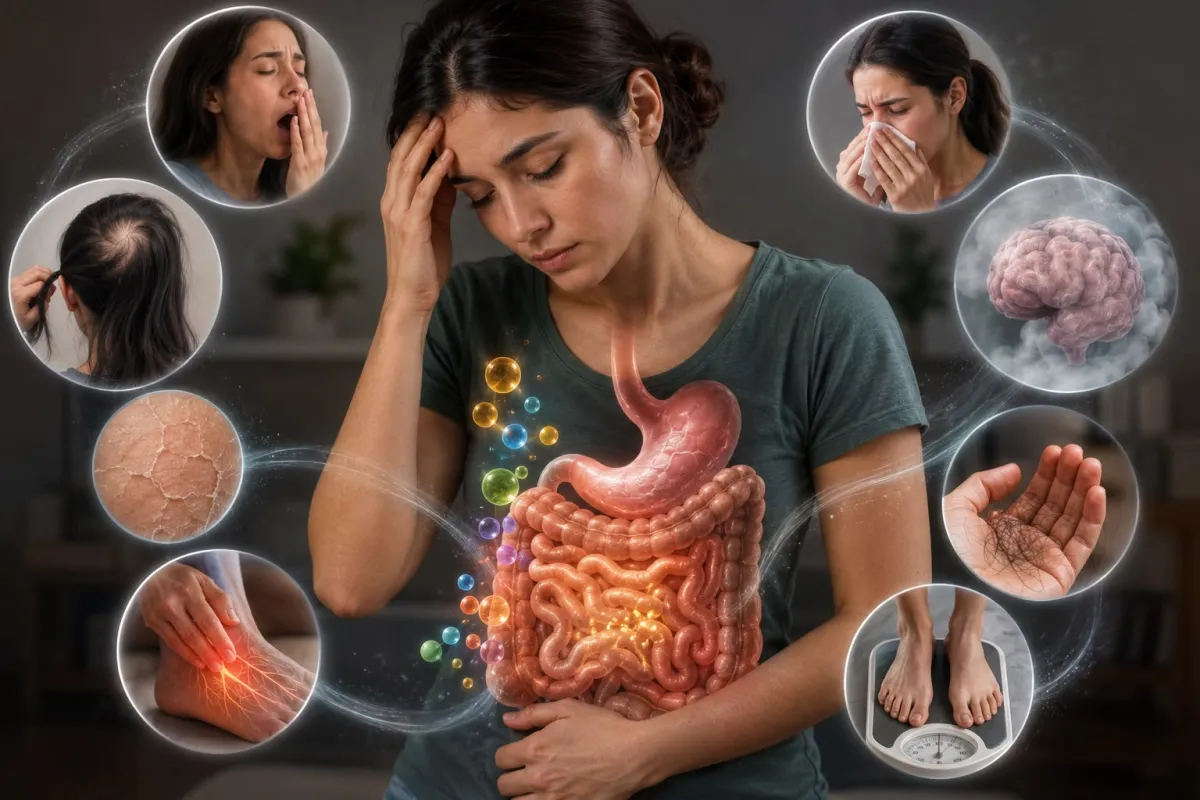
Nutrient Absorption: 8 Signs Your Body Isn't Absorbing Nutrients
Eating a healthy diet does not always guarantee that your body is getting all the nutrients it needs.
Your digestive system must first break food down and then absorb nutrients so your body can use them. Most nutrient absorption takes place in the small intestine. When the digestive system cannot properly digest or absorb nutrients, the problem may be called malabsorption.
Poor nutrient absorption can sometimes happen because of digestive diseases, intestinal problems, pancreatic disorders, infections, food intolerances, certain medications, or other health conditions.
The symptoms are not always obvious. Some people notice digestive problems first, while others may experience fatigue, weight loss, nutrient deficiencies, or other changes.
Here are 8 possible signs of poor nutrient absorption that are worth understanding.
What Is Nutrient Malabsorption?
Nutrient malabsorption occurs when the body cannot absorb enough nutrients from the food you eat.
During digestion, food is broken down into smaller components that the body can absorb and use. The small intestine is especially important because it absorbs most nutrients from food.
Nutrients that the body needs include:
- Protein
- Carbohydrates
- Fats
- Iron
- Vitamin B12
- Folate
- Vitamin D
- Calcium
- Magnesium
- Zinc
- Other vitamins and minerals
If nutrient absorption is impaired, the effects can depend on which nutrients are affected and how severe the problem is.
This is why a person may sometimes experience nutrient deficiency despite eating a reasonably healthy diet.
1. Constant Fatigue Despite Enough Sleep
Everyone feels tired sometimes.
However, persistent fatigue can have many possible causes, including anemia, nutrient deficiencies, sleep problems, infections, chronic diseases, stress, and other health conditions.
Some digestive disorders that cause malabsorption can also contribute to nutrient deficiencies and fatigue.
For example, malabsorption can occur in conditions where the small intestine cannot absorb enough nutrients, and some forms of malabsorption are associated with fatigue and weight loss.
Possible symptoms may include:
- Feeling tired throughout the day
- Low energy
- Weakness
- Difficulty concentrating
- Reduced ability to perform normal activities
- Dizziness in some cases
If fatigue continues despite adequate sleep and a balanced diet, it is worth discussing with a healthcare professional.
Fatigue alone does not prove that your body is not absorbing nutrients.
2. Frequent Digestive Problems
Digestive symptoms can be an important clue when investigating poor nutrient absorption.
Possible symptoms include:
- Persistent bloating
- Excess gas
- Chronic diarrhea
- Loose stools
- Greasy or oily stools
- Abdominal discomfort
- Changes in appetite
NIDDK notes that symptoms associated with malabsorption can include bloating, gas, loose or greasy foul-smelling bowel movements, and weight loss.
The type of digestive symptom can vary depending on the underlying cause.
For example, lactose malabsorption can cause bloating, diarrhea, gas, nausea, and abdominal pain after consuming lactose-containing foods.
Persistent digestive symptoms should not automatically be blamed on "weak digestion" or a particular food.
3. Greasy, Loose, or Foul-Smelling Stools
Changes in bowel movements can sometimes provide clues about digestive problems.
Loose, greasy, oily, or unusually foul-smelling stools can occur with certain forms of malabsorption.
This can be particularly relevant when the body has difficulty properly digesting or absorbing dietary fat.
For example, problems involving pancreatic digestive enzymes can interfere with normal digestion and nutrient absorption.
However, stool appearance alone cannot diagnose malabsorption.
If greasy stools continue, especially alongside weight loss, diarrhea, abdominal symptoms, or nutritional deficiencies, medical evaluation may be appropriate.
4. Unexplained Weight Loss
Unintentional weight loss is another possible warning sign that should not simply be ignored.
When the body cannot absorb enough nutrients or calories, weight loss may occur.
Malabsorption associated with some intestinal conditions can cause:
- Weight loss
- Poor weight gain
- Fatigue
- Diarrhea
- Nutritional deficiencies
NIDDK lists weight loss among possible symptoms of malabsorption.
However, unexplained weight loss has many possible causes.
If you are losing weight without intentionally changing your diet or exercise routine, speak with a healthcare professional.
5. Hair Loss and Brittle Nails
Hair and nail changes are often discussed in connection with nutrition, but they have many possible causes.
Hair loss can be related to factors such as:
- Iron deficiency
- Certain illnesses
- Hormonal changes
- Stress
- Genetics
- Restrictive diets
- Other nutritional problems
Similarly, brittle or damaged nails can have several possible explanations.
Poor nutrient absorption may contribute to nutritional deficiencies in some people, but hair loss or brittle nails alone do not prove that malabsorption is present.
If these changes occur together with digestive symptoms, fatigue, weight loss, or known nutrient deficiencies, discuss them with a healthcare professional.
6. Dry Skin or Slow Wound Healing
Skin health depends on many factors, including genetics, environment, hydration, skin care, medical conditions, and nutrition.
Certain nutrients are important for normal skin structure and tissue repair.
For example, vitamin C is involved in collagen production, while zinc plays important roles in normal immune function and wound healing.
If the body is not receiving or absorbing adequate nutrients, nutritional deficiencies may affect different body systems.
Possible signs can include:
- Dry or rough skin
- Slow-healing wounds
- Changes in hair or nails
- Easy bruising in some nutritional deficiencies
These signs are not specific to malabsorption, so persistent changes should be medically evaluated rather than self-diagnosed.
7. Tingling or Numbness in the Hands and Feet
Numbness, tingling, burning sensations, or balance problems can have many causes.
One possible cause is certain nutritional deficiencies.
For example, vitamin B12 deficiency can affect the nervous system and may cause neurological symptoms.
Possible symptoms can include:
- Tingling hands or feet
- Numbness
- Burning sensations
- Balance difficulties
- Muscle weakness
A vitamin B12 deficiency does not automatically mean that your body has a general nutrient absorption problem.
However, some gastrointestinal conditions can interfere with vitamin absorption and may require medical investigation.
If numbness or tingling is persistent or getting worse, seek medical advice rather than treating it with supplements on your own.
8. Brain Fog, Weakness, or Changes in Concentration
People sometimes describe difficulty concentrating, forgetfulness, or mental tiredness as brain fog.
Brain fog can have many causes, including:
- Poor sleep
- Stress
- Illness
- Medication effects
- Nutritional deficiencies
- Other medical conditions
Some nutrient deficiencies can affect normal neurological function, but brain fog alone is not a specific sign of malabsorption.
If concentration problems occur together with persistent digestive symptoms, fatigue, weight loss, or known nutrient deficiencies, it may be useful to discuss the combination of symptoms with a healthcare professional.
Common Causes of Poor Nutrient Absorption
Understanding the possible causes of nutrient malabsorption is important because treatment depends on the underlying problem.
Digestive and Intestinal Diseases
Certain diseases can affect the small intestine and interfere with normal nutrient absorption.
Examples include:
- Celiac disease
- Crohn's disease
- Short bowel syndrome
- Other diseases affecting the intestinal lining
Celiac disease can cause digestive symptoms such as bloating, chronic diarrhea, gas, and loose or greasy stools. In some people, it can also interfere with nutrient absorption.
Short bowel syndrome can occur when part of the small intestine has been removed or is damaged, reducing the intestine's ability to absorb enough nutrients.
Pancreatic Disorders
The pancreas produces digestive enzymes that help break down carbohydrates, proteins, and fats.
When pancreatic enzyme production is insufficient, food may not be digested properly and nutrient absorption can be affected.
Exocrine pancreatic insufficiency, for example, can lead to malabsorption and low levels of fat-soluble vitamins A, D, E, and K.
Gastrointestinal Infections
Some infections can cause prolonged diarrhea or affect the digestive tract.
Chronic diarrhea itself can be associated with malabsorption and loss of fluids and electrolytes.
Persistent diarrhea should therefore not simply be dismissed as a temporary stomach problem.
Food Intolerances
Food intolerances can cause digestive symptoms without necessarily meaning that a person has generalized nutrient malabsorption.
Lactose intolerance is one example.
It occurs when the small intestine does not produce enough lactase to digest all the lactose consumed. Symptoms can include:
- Bloating
- Gas
- Diarrhea
- Nausea
- Abdominal pain
If someone avoids dairy products because of lactose intolerance, it is important to obtain nutrients such as calcium and vitamin D from suitable foods or alternatives.
Certain Medications
Some medications can affect nutrient levels or digestion.
The effect depends on the specific medicine, dose, duration, and individual health circumstances.
If you take medication long term and develop a confirmed nutrient deficiency, ask your healthcare professional whether the medication could be relevant.
Do not stop a prescribed medication without medical advice.
Which Nutrient Deficiencies Can Be Linked to Malabsorption?
The nutritional effects depend on the underlying condition and which part of the digestive system is affected.
Possible deficiencies can involve:
Iron
Iron deficiency can contribute to anemia and symptoms such as fatigue and weakness.
Vitamin B12
Vitamin B12 deficiency can cause anemia and neurological problems.
Folate
Folate is important for normal cell growth and red blood cell formation.
Vitamin D
Vitamin D is important for bone health and calcium metabolism.
Calcium
Calcium is important for bones, muscles, nerves, and other body functions.
Vitamins A, D, E, and K
These are fat-soluble vitamins.
Some pancreatic disorders that interfere with fat digestion can also affect the absorption of these vitamins.
Can You Have Nutrient Deficiency While Eating Healthy?
Yes, it is possible.
Eating nutritious food is important, but nutrient absorption also depends on how well the digestive system functions.
A person may eat vegetables, fruits, whole grains, protein, dairy or alternatives, and other nutritious foods but still develop a deficiency because of an underlying health condition.
This is one reason unexplained nutritional deficiencies should not automatically be blamed on a poor diet.
If a deficiency keeps returning despite an adequate diet, a healthcare professional may need to investigate possible underlying causes.
How Is Nutrient Malabsorption Diagnosed?
There is no single test that can diagnose every type of malabsorption.
The evaluation depends on the person's symptoms and medical history.
A healthcare professional may consider:
- Medical history
- Physical examination
- Blood tests
- Nutrient level testing
- Stool tests
- Tests for specific digestive conditions
- Imaging or endoscopy when appropriate
For example, the evaluation for celiac disease is different from the evaluation for pancreatic insufficiency.
The goal is to identify the underlying cause of poor nutrient absorption, not simply to treat one symptom.
How to Support Healthy Nutrient Absorption
If you do not have a diagnosed digestive disorder, several general habits can support overall digestive and nutritional health.
Eat a Varied Diet
Include a range of:
- Vegetables
- Fruits
- Whole grains
- Legumes
- Eggs
- Fish
- Meat
- Dairy or suitable alternatives
- Nuts
- Seeds
A varied diet provides different vitamins, minerals, protein, fiber, and other nutrients.
Include Different Food Groups
Instead of depending on one "superfood," build meals from different food groups.
For example:
Daal + vegetables + whole grains
Chickpeas + vegetables + yogurt
Eggs + whole-grain bread + fruit
The exact foods can be adjusted according to individual dietary needs and tolerance.
Stay Hydrated
Adequate fluid intake supports normal digestion and helps maintain fluid balance.
However, drinking more water cannot correct an underlying medical condition causing malabsorption.
Avoid Smoking and Excessive Alcohol
Smoking and excessive alcohol use can negatively affect overall health and may contribute to nutritional problems.
If you drink alcohol, keeping intake within recommended limits is important.
Use Supplements Carefully
Vitamin and mineral supplements can be useful when a deficiency has been identified or supplementation has been recommended by a healthcare professional.
More is not always better.
High doses of some vitamins and minerals can cause harmful effects or interact with medications.
Food Combinations and Nutrient Absorption
The way foods are combined can also influence the absorption of certain nutrients.
For example, vitamin C can improve absorption of non-heme iron from plant foods.
Simple combinations include:
- Daal + lemon
- Lentils + tomatoes
- Chickpeas + bell peppers
- Beans + tomatoes
Dietary fat also plays a role in the absorption of fat-soluble vitamins.
For more information, read our related HealthSplatter article:
Food Synergy: Nutrient Combinations to Aid Natural Absorption
This is particularly useful for readers who want to learn how food combinations can support nutrient absorption naturally.
Nutrient Absorption and Overall Health
Nutrition is only one part of good health.
Sleep, physical activity, stress management, hydration, and other lifestyle factors also matter.
For example, our article How Sleep Architecture Can Affect Your Long-Term Health explains why sleep quality and sleep patterns are important parts of overall health.
If you have persistent digestive symptoms, however, lifestyle improvements should not replace medical evaluation.
Who May Have a Higher Risk of Nutritional Problems?
The risk depends heavily on the underlying cause.
People who may need particular attention to nutritional status include those with:
- Chronic digestive diseases
- Persistent diarrhea
- Pancreatic disorders
- Intestinal surgery
- Highly restrictive diets
- Recurrent nutrient deficiencies
- Conditions affecting the small intestine
- Certain long-term medical treatments
Risk varies from person to person, so a healthcare professional can provide individualized guidance.
When Should You See a Doctor?
Occasional bloating or digestive discomfort is common.
But persistent or unexplained symptoms deserve attention.
Consider seeking medical advice if you have:
- Persistent diarrhea
- Repeated greasy or oily stools
- Unexplained weight loss
- Ongoing digestive problems
- Persistent fatigue
- Repeated nutrient deficiencies
- Numbness or tingling
- Significant weakness
- Blood in the stool
- Severe or persistent abdominal pain
Some digestive conditions can become more serious if they remain untreated.
Early medical evaluation can help identify the underlying cause and determine whether nutritional deficiencies or malabsorption are involved.
Frequently Asked Questions
What are the signs of poor nutrient absorption?
Possible signs include persistent diarrhea, bloating, gas, loose or greasy stools, weight loss, fatigue, and nutritional deficiencies.
How do I know if my body is not absorbing nutrients?
Symptoms alone cannot confirm malabsorption. Persistent digestive symptoms, unexplained weight loss, or repeated nutrient deficiencies may justify medical evaluation.
Why am I deficient in nutrients even though I eat healthy?
Nutrient deficiencies can have several causes. In some cases, digestive disorders or problems with nutrient absorption may contribute.
What causes nutrient malabsorption?
Possible causes include certain intestinal diseases, celiac disease, Crohn's disease, pancreatic disorders, short bowel syndrome, some infections, and other digestive conditions.
Can chronic diarrhea cause nutrient malabsorption?
Yes. Chronic diarrhea can be associated with malabsorption and can also contribute to loss of fluids and electrolytes.
Can celiac disease cause poor nutrient absorption?
Yes. Celiac disease affects the small intestine and can be associated with digestive symptoms and problems related to nutrient absorption.
Can pancreatic problems affect nutrient absorption?
Yes. Some pancreatic disorders can interfere with digestion and may cause malabsorption and low levels of fat-soluble vitamins.
Can lactose intolerance affect nutrient intake?
It can. People who significantly restrict dairy products because of lactose intolerance need to make sure they obtain enough calcium, vitamin D, and other nutrients from suitable foods or alternatives.
Can hair loss mean I have nutrient malabsorption?
Hair loss has many possible causes. Nutritional deficiencies can contribute in some cases, but hair loss alone does not diagnose malabsorption.
Can brain fog be caused by nutrient deficiency?
Some nutritional deficiencies can affect neurological function, but brain fog has many possible causes. Persistent symptoms should be evaluated rather than attributed to nutrient deficiency alone.
When should I see a doctor for possible malabsorption?
Seek medical advice if you have persistent diarrhea, unexplained weight loss, repeated greasy stools, ongoing digestive symptoms, recurrent nutrient deficiencies, or persistent numbness or weakness.
The Takeaway
Your body needs more than nutritious food—it also needs to digest and absorb nutrients properly.
Possible signs of poor nutrient absorption can include:
- Persistent digestive problems
- Bloating and gas
- Loose or greasy stools
- Unexplained weight loss
- Persistent fatigue
- Nutritional deficiencies
- Hair or nail changes
- Numbness or tingling
- Other unexplained symptoms
These signs do not automatically mean you have malabsorption. Many of them have several possible causes.
If symptoms continue despite a balanced diet, the most useful step is to speak with a qualified healthcare professional. Finding the underlying cause is more important than simply taking supplements or adding more food.
A varied diet, appropriate food combinations, and good overall lifestyle habits can support nutrition, but they cannot replace diagnosis and treatment when an underlying digestive condition is present.



Leave a Comment