
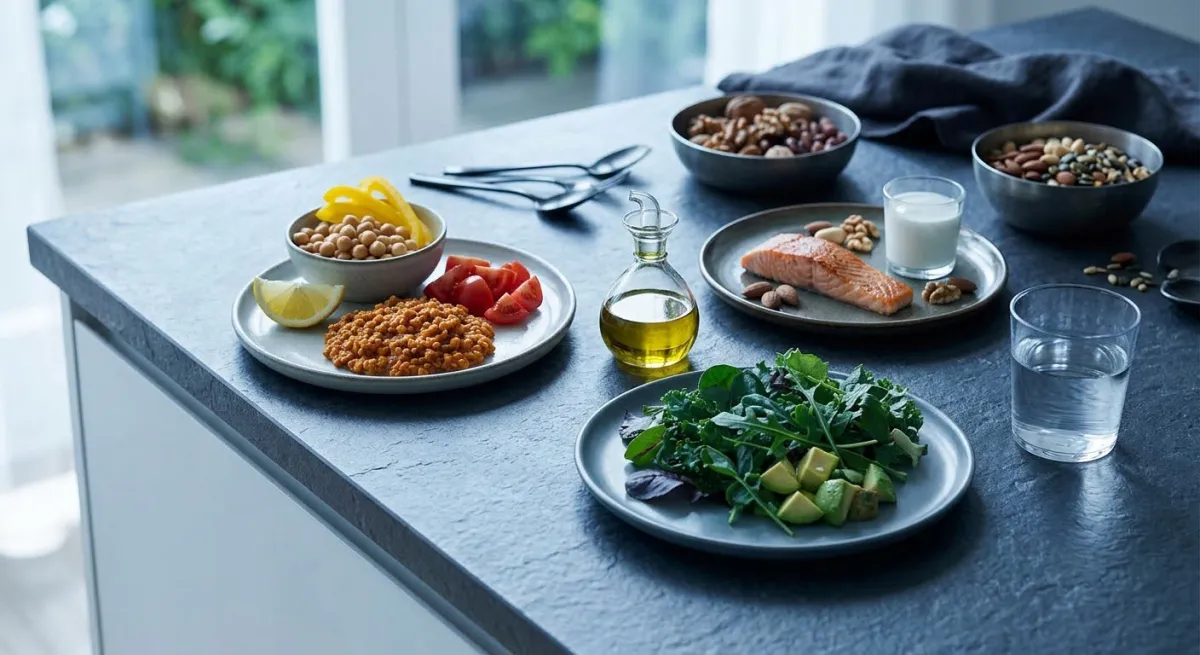
Food Combinations for Better Nutrient Absorption: Vitamin C, Iron & More
Eating healthy food is not only about what nutrients you eat. It can also matter how different foods are combined in the same meal.
Some food combinations can help the body absorb certain nutrients more efficiently, while other foods or compounds can reduce the absorption of particular minerals.
This is sometimes described as food synergy or nutrient interactions. In simple terms, food synergy means that nutrients and other food components can interact with each other and affect how nutrients are absorbed and used by the body.
For example, vitamin C can improve the absorption of non-heme iron from plant foods, while dietary fat helps with the absorption of fat-soluble vitamins such as vitamins A, D, E, and K.
The good news is that you do not need expensive supplements or unusual "superfoods" to support nutrient absorption. Simple combinations using common foods can be part of a balanced diet.
What Is Nutrient Absorption?
Nutrient absorption is the process through which nutrients from food move from the digestive system into the body so they can be used.
The body needs nutrients such as:
- Iron
- Calcium
- Vitamin C
- Vitamin D
- Vitamin A
- Vitamin E
- Vitamin K
- Protein
- Magnesium
- Zinc
- Other vitamins and minerals
However, the amount of a nutrient present in food is not always the same as the amount the body actually absorbs.
This is why bioavailability is an important part of nutrition.
Food combinations, meal composition, cooking methods, digestive health, medications, and a person's nutritional status can all influence nutrient absorption.
1. Vitamin C and Iron: One of the Best-Known Food Combinations
One of the most useful examples of food combinations for better nutrient absorption is vitamin C with non-heme iron.
Iron in food occurs mainly in two forms:
- Heme iron, mainly found in meat and seafood
- Non-heme iron, mainly found in plant foods and fortified foods
The body generally absorbs heme iron more efficiently than non-heme iron.
However, eating vitamin-C-rich foods with plant sources of iron can improve non-heme iron absorption. The NIH specifically identifies vitamin C as a factor that improves absorption of non-heme iron.
Foods high in vitamin C include:
- Guava
- Oranges
- Other citrus fruits
- Tomatoes
- Sweet peppers
- Bell peppers
- Broccoli
- Strawberries
- Some other fruits and vegetables
Plant-based sources of iron include:
- Lentils
- Chickpeas
- Beans
- Peas
- Spinach
- Nuts
- Seeds
- Fortified grains and cereals
Easy food combinations for iron absorption
Try combining:
Lentils + tomatoes
Daal + lemon
Chickpeas + bell peppers
Beans + tomatoes
Spinach + a vitamin-C-rich vegetable
Iron-fortified foods + fruit containing vitamin C
For people who eat mostly plant-based foods, adding a vitamin-C-rich food to an iron-containing meal is a simple way to support iron absorption.
Does Lemon Help Iron Absorption?
Yes, lemon can be useful because it contains vitamin C.
Adding lemon juice to foods such as daal, chickpeas, beans, or vegetables can provide vitamin C alongside plant-based iron.
The important point is not that lemon is a treatment for iron deficiency. Rather, vitamin C is one dietary factor that can improve the absorption of non-heme iron.
If someone has confirmed iron deficiency anemia, food combinations alone may not be enough and professional medical advice may be necessary.
2. Healthy Fats and Fat-Soluble Vitamins
Another important nutrient interaction involves dietary fat and fat-soluble vitamins.
Vitamins A, D, E, and K are fat-soluble vitamins.
Dietary fat is involved in the absorption of these vitamins, so meals containing foods that provide fat-soluble vitamins can include a reasonable source of dietary fat.
Examples of nutritious fat sources include:
- Nuts
- Seeds
- Avocado
- Vegetable oils
- Peanut butter
- Fatty fish
For example, adding a small amount of healthy oil to a vegetable-based meal can provide dietary fat along with the meal.
The goal is not to add excessive amounts of fat. Instead, a balanced diet can include moderate amounts of nutritious fat sources.
Vitamin D is also fat-soluble and is absorbed along with dietary fat.
3. Vitamin D and Calcium for Bone Health
Calcium and vitamin D are another important nutritional combination.
Calcium is needed for normal bone structure and other body functions, while vitamin D helps the body absorb calcium.
Calcium-rich foods include:
- Milk
- Yogurt
- Cheese
- Calcium-fortified foods
- Some leafy green vegetables
- Certain fish
Vitamin D is naturally present in a relatively small number of foods. It is also added to some fortified foods, and the body can produce vitamin D after exposure to sunlight.
However, excessive sun exposure is not recommended as a strategy for getting vitamin D because ultraviolet radiation can damage the skin.
If you are concerned about vitamin D deficiency, calcium deficiency, or bone health, a healthcare professional can determine whether testing or supplementation is appropriate.
4. Foods That May Reduce Mineral Absorption
Not every food interaction improves nutrient absorption.
Some naturally occurring compounds can reduce the absorption of certain minerals.
One example is phytate, which is found in foods such as:
- Legumes
- Whole grains
- Nuts
- Seeds
Phytate can bind certain minerals and reduce their absorption under some circumstances.
However, this does not mean that foods containing phytates are unhealthy.
Legumes, whole grains, nuts, and seeds provide:
- Fiber
- Protein
- Vitamins
- Minerals
- Plant compounds
- Other important nutrients
They remain valuable parts of a balanced diet.
Can cooking reduce phytates?
Food preparation methods such as soaking, sprouting, fermenting, and cooking can affect the levels or effects of some naturally occurring compounds.
Therefore, the presence of phytates does not mean you should remove nutritious plant foods from your diet.
The overall dietary pattern matters more than one individual compound.
5. Tea, Coffee, and Iron Absorption
Tea and coffee contain compounds that can reduce the absorption of non-heme iron when consumed with an iron-containing meal.
This may be more relevant for people who:
- Have iron deficiency
- Have been diagnosed with anemia
- Eat mostly plant-based foods
- Have been advised to increase iron absorption
If you are concerned about iron levels, ask a doctor or dietitian whether you should change the timing of tea or coffee around meals.
This does not mean you must completely stop drinking tea or coffee. The importance of these interactions depends on your overall diet, iron status, and health.
6. Simple Food Combinations for Better Nutrient Absorption
You do not need an expensive diet plan to support nutrient absorption.
Here are some simple healthy food combinations:
Lentils + Tomatoes
Lentils provide non-heme iron, while tomatoes provide vitamin C.
Daal + Lemon
A squeeze of lemon can add vitamin C to a meal containing plant-based iron.
Chickpeas + Bell Peppers
Chickpeas provide plant-based iron, while bell peppers provide vitamin C.
Beans + Tomatoes
Combining beans with tomatoes can provide plant-based iron together with vitamin C.
Vegetables + Healthy Fat
Adding a moderate amount of nutritious fat to a vegetable-based meal can support absorption of fat-soluble vitamins.
Calcium-Rich Food + Adequate Vitamin D
Vitamin D supports calcium absorption and contributes to normal bone health.
These combinations are examples of nutrient synergy in food. They are not treatments for nutrient deficiencies.
7. Pakistani Foods That Can Support Nutrient Absorption
You do not need foreign or expensive foods to build nutritious meals.
Common Pakistani foods can provide many useful nutrients.
Examples include:
- Daal
- Chana
- Rajma
- Beans
- Spinach
- Seasonal vegetables
- Tomatoes
- Lemon
- Guava
- Oranges
- Yogurt
- Milk
- Eggs
- Fish
- Meat
- Nuts
- Seeds
- Whole grains
Simple Pakistani meal ideas
Daal + tomatoes + lemon
This combination provides plant-based iron together with vitamin C.
Chana + tomato and lemon salad
Chickpeas provide iron and protein, while tomatoes and lemon provide vitamin C.
Vegetable curry + yogurt
This can provide a combination of vegetables, protein, minerals, and other nutrients depending on the ingredients.
Whole-grain meal + vegetables + a nutritious fat source
This provides a broader combination of fiber, vitamins, minerals, and other nutrients.
The goal is not to create a "perfect" meal. The goal is to eat a varied diet regularly.
8. A Balanced Diet Still Matters Most
Food synergy should not replace a healthy overall eating pattern.
The body needs many different nutrients, and no single food combination can provide everything required for good health.
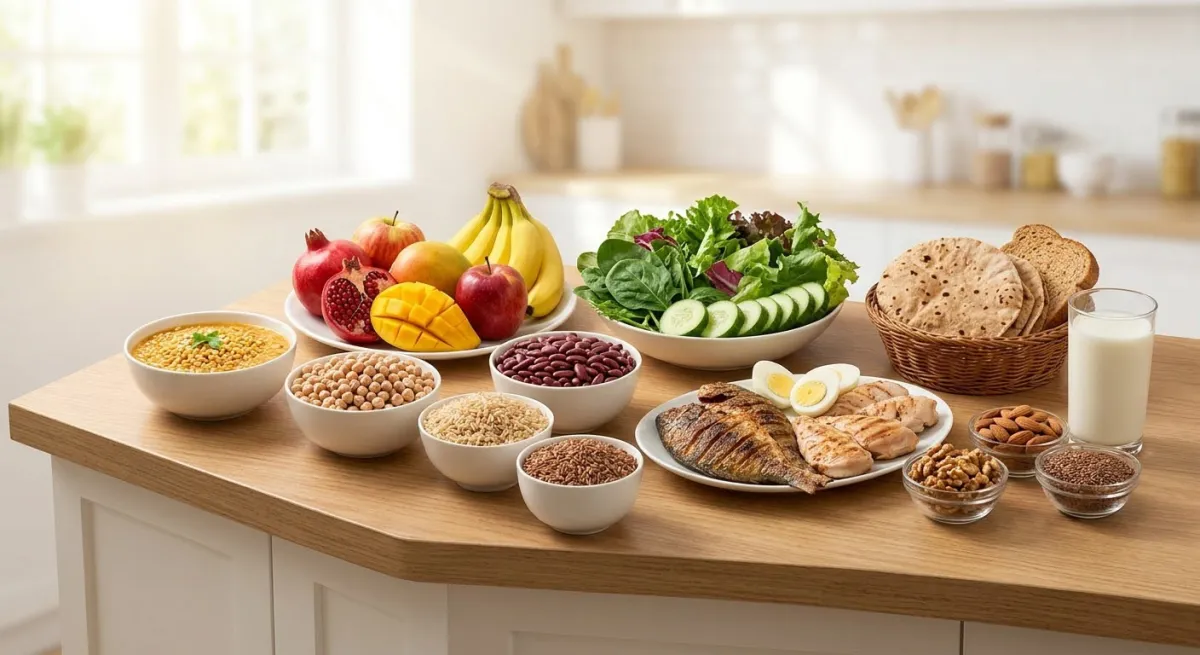
A varied diet can include:
- Vegetables
- Fruits
- Legumes
- Whole grains
- Dairy or suitable alternatives
- Eggs
- Fish
- Meat
- Nuts
- Seeds
A balanced diet can help provide a broad range of vitamins, minerals, protein, fiber, and other nutrients.
This is more important than focusing on one "perfect" nutrient combination.
Nutrient Absorption and Digestive Health
Good nutrition also depends on the digestive system being able to process and absorb nutrients.
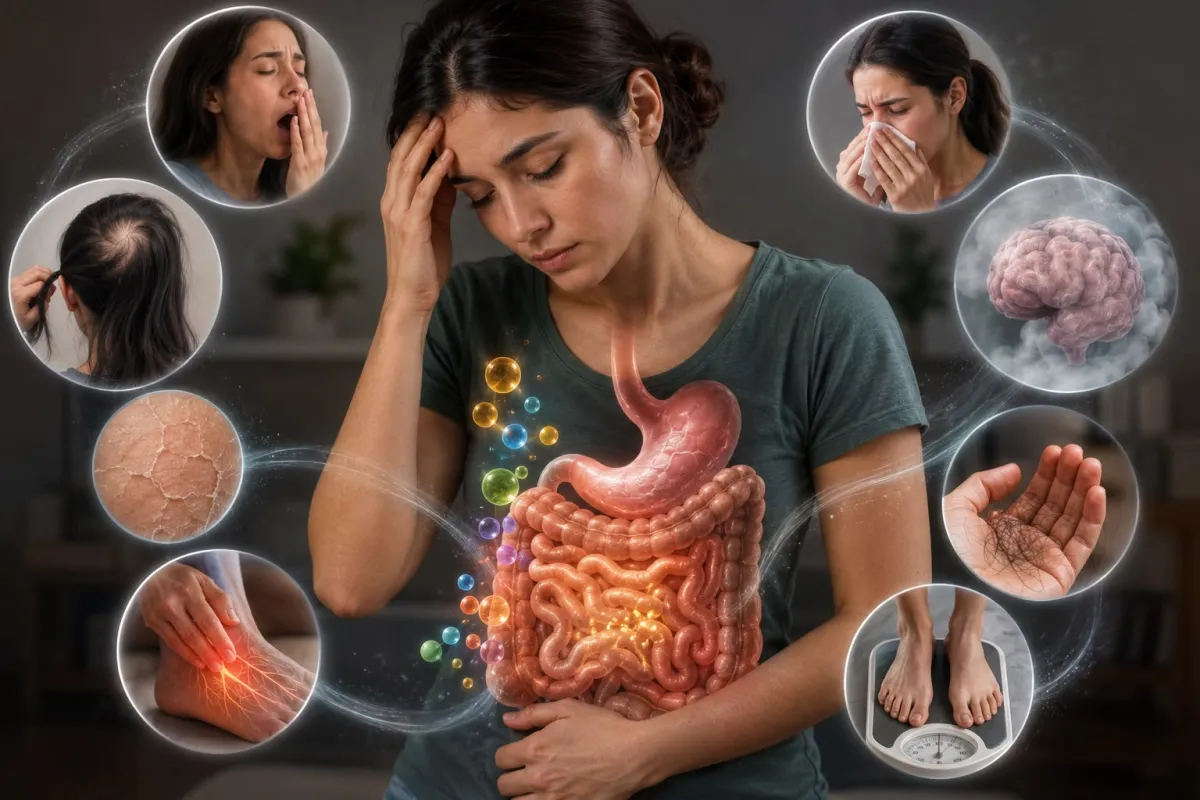
Some people can eat a nutritious diet but still have problems absorbing certain nutrients because of digestive conditions, medications, or other health factors.
If you want to learn more about possible signs of nutrient absorption problems, read our related HealthSplatter article:
Hidden Signs Your Body Isn't Absorbing Nutrients Properly
This can help readers understand why persistent symptoms should not always be blamed on a poor diet alone.
Nutrient Absorption, Sleep, and Overall Health
Nutrition is only one part of overall health.
Sleep, physical activity, stress, hydration, and other daily habits can also influence general wellbeing.
For more information, read:
How Sleep Architecture Can Affect Your Long-Term Health
A healthy lifestyle works as a combination of different habits rather than one food or supplement.
Can Food Combinations Fix a Nutrient Deficiency?
Not always.
Food combinations can support normal nutrition and may improve the absorption of particular nutrients, but an established nutrient deficiency may require professional evaluation.
For example, someone with confirmed iron deficiency anemia may need more than simply adding vitamin C to meals.
The correct approach depends on the cause and severity of the deficiency.
Signs You May Need Medical Advice
Talk with a qualified healthcare professional if you have persistent:
- Fatigue
- Weakness
- Unexplained weight loss
- Digestive problems
- Changes in bowel habits
- Poor appetite
- Symptoms of anemia
- A laboratory-confirmed nutrient deficiency
Do not automatically start high-dose vitamin or mineral supplements because you suspect a deficiency.
Some nutrients can be harmful in excessive amounts, and supplements can interact with medicines.
For example, excessive iron intake can be harmful, and iron supplements can interfere with the absorption or effectiveness of certain medications.
Common Mistakes About Nutrient Absorption
Mistake 1: Thinking every nutrient needs a special food combination
Most people do not need complicated meal combinations.
A varied diet usually provides many different nutrients naturally.
Mistake 2: Avoiding healthy foods because they contain phytates
Whole grains, beans, nuts, and seeds are nutritious foods.
The presence of phytates alone does not make these foods unhealthy.
Mistake 3: Taking supplements without knowing if you need them
More vitamins and minerals are not always better.
High doses of some nutrients can cause unwanted effects.
Mistake 4: Assuming food combinations can cure deficiency
Food can support nutrient intake, but a medical deficiency may require diagnosis and specific treatment.
Mistake 5: Drinking tea immediately with every iron-rich meal
For people concerned about iron absorption, tea or coffee timing may be worth discussing with a healthcare professional.
Frequently Asked Questions
What is food synergy?
Food synergy describes interactions between nutrients and other food components that can influence nutrient absorption, availability, or biological effects.
What foods improve iron absorption?
Vitamin-C-rich foods can improve the absorption of non-heme iron from plant foods. Examples include guava, citrus fruits, tomatoes, bell peppers, and broccoli.
Does lemon help iron absorption?
Lemon provides vitamin C, which can support the absorption of non-heme iron when eaten with plant-based iron sources.
What should I eat with lentils for better iron absorption?
Try combining lentils with vitamin-C-rich foods such as tomatoes, bell peppers, guava, citrus fruit, or lemon.
Does vitamin C increase iron absorption?
Vitamin C improves the absorption of non-heme iron, although the effect can vary depending on the overall meal and a person's nutritional status.
Do tea and coffee reduce iron absorption?
Tea and coffee contain compounds that can reduce non-heme iron absorption when consumed with an iron-containing meal. This may be particularly relevant for people with low iron status.
Which vitamins need dietary fat for absorption?
Vitamins A, D, E, and K are fat-soluble vitamins. Dietary fat plays an important role in their absorption.
Does vitamin D help absorb calcium?
Yes. Vitamin D supports calcium absorption and is important for normal bone health.
Are phytates bad for you?
Not necessarily. Phytates can reduce the absorption of certain minerals, but foods containing phytates—such as beans, whole grains, nuts, and seeds—also provide many important nutrients.
Can food combinations cure nutrient deficiency?
No. Food combinations can support normal nutrition, but confirmed nutrient deficiencies should be evaluated by a qualified healthcare professional.
The Takeaway
Food combinations can influence nutrient absorption, and some combinations are especially useful to know.
Vitamin C can improve the absorption of non-heme iron, making combinations such as daal and lemon, lentils and tomatoes, or chickpeas and bell peppers practical choices.
Dietary fat plays an important role in the absorption of fat-soluble vitamins A, D, E, and K, while vitamin D supports calcium absorption and bone health.
At the same time, compounds such as phytates and polyphenols can reduce the absorption of some minerals under certain circumstances. This does not mean that nutritious foods containing these compounds should be avoided.
The most practical approach is simple:
Eat a varied diet. Combine nutritious foods naturally. Include vitamin-C-rich foods with plant-based iron sources. Include moderate healthy fats with meals. Pay attention to overall diet quality rather than one "perfect" food combination.
If you have persistent symptoms or a confirmed nutrient deficiency, seek individualized medical advice instead of relying only on food combinations.
Leave a Comment