
Morning vs Night Skincare: Does Timing Really Matter?
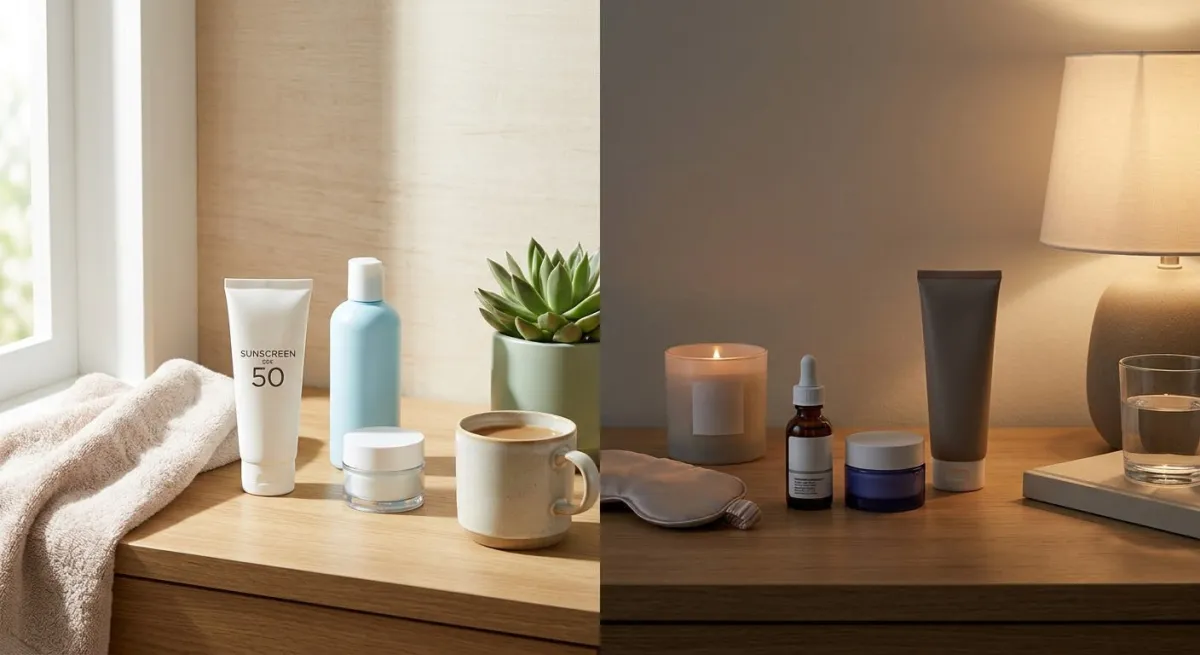
The right skincare regime does not necessarily require an oversized list of products. The timing of applying certain products may be relevant depending on what your skin needs during the day and during the night. The morning skincare regime primarily serves a protective function while the night time skincare regime focuses more on restoring and hydrating the skin.
If you are based in Pakistan, learning the different needs of your skin during the day and during the night may prove to be helpful, given the extreme climate and atmospheric conditions.
Why Morning Skincare Is Different
Your skin is exposed to UV radiation, pollution, dust, sweat, and other environmental factors. A basic morning skincare regime helps the skin to deal with the upcoming challenges.
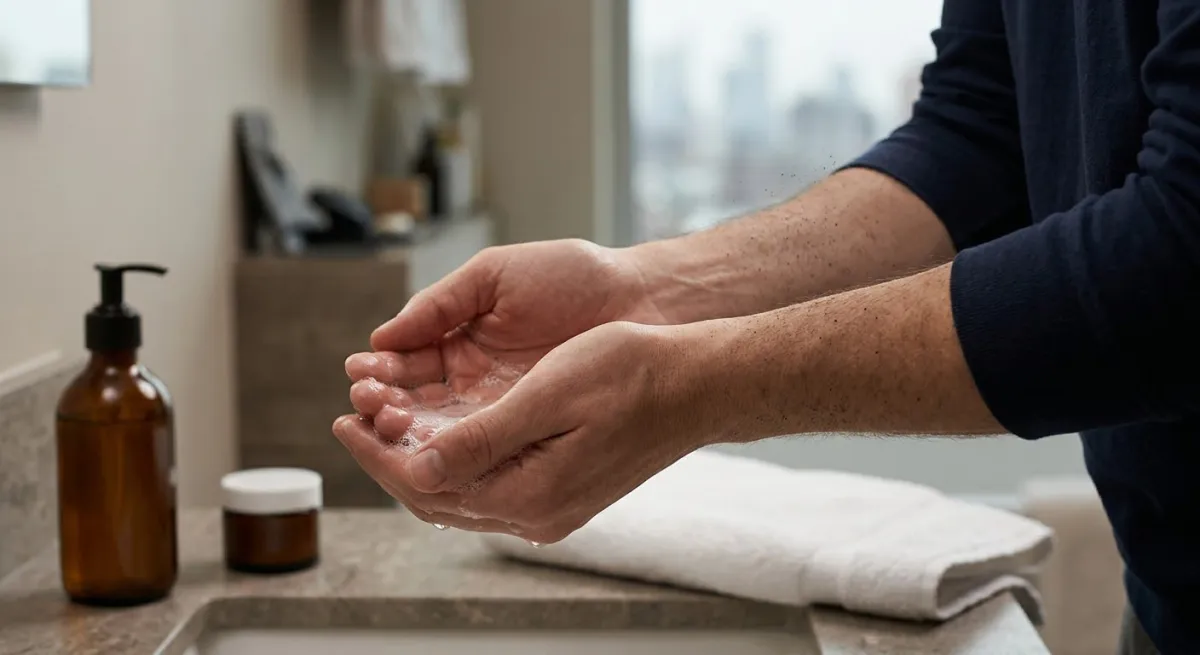
1. Cleanser
Use a cleanser if and when you need it. If your skin is excessively dry, a cleanser may not be suitable for morning use.
It is best to avoid harsh treatment of the skin, as it will lead to additional dryness.
2. Antioxidants
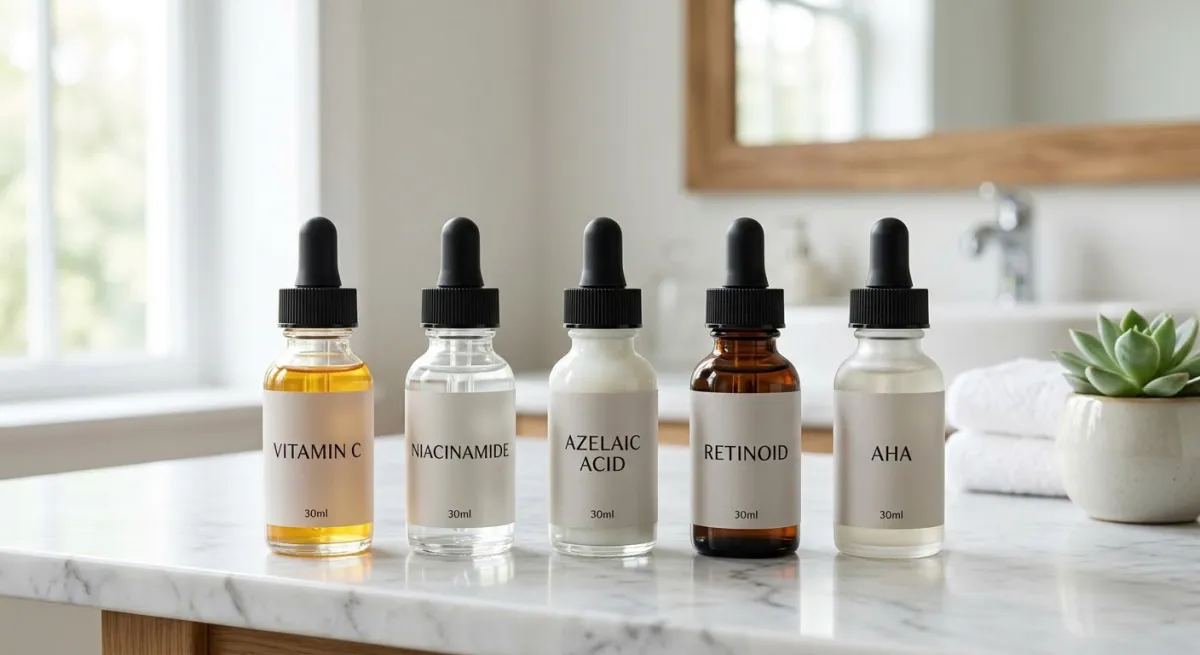
Antioxidants such as VC may be beneficial to some extent. They can help with hyperpigmentation.
But it is not necessary to have a complicated routine. Your skin will not benefit from multiple serums if it cannot tolerate a few drops of a mild serum.
3. Moisturizer
Moisturizing in the morning will help to prevent the loss of moisture from your skin. It is important to choose the right cream or gel depending on your skin type and the weather.
Morning skincare regime in Pakistan is aimed at protecting your skin from extreme heat and humidity and should not include any harsh ingredients.
4. Sunscreen
Sunscreen is the centerpiece of morning skincare regime.
Choose a cream with SPF 30 or higher and apply it evenly on all exposed areas of your skin. Sunscreen should be reapplied after spending a considerable amount of time outdoors, sweating, or swimming. It will protect your skin from UV radiation and prevent your skin from aging prematurely.
Why Nighttime Skincare Matters
At night, your skin does not need protection from UV radiation, so the emphasis is on cleansing and treating your skin. Cleansing at night helps to get rid of dirt, dust, sweat, oil, and sunscreen that have clogged your pores during the day.
Applying topical treatments at night may help your skin to heal during the night.
1. Treatment
A few drops of retinol or other topical retinoids are suitable for nighttime use, as they can irritate the skin when exposed to UV light. Retinoids help the skin to heal, get rid of blackheads and pimples, reduce hyperpigmentation, and promote a more youthful appearance. Similarly, Azelaic acid or other topical treatments may be used.
It is best to avoid complex treatment cocktails as they can irritate the skin. It is important to give your skin the opportunity to adapt to topical treatments.
2. Moisturizer
Moisturizing is important in the evening to help your skin to retain moisture. Choose the right cream or gel depending on your skin type.
Does Timing Really Matter?
Some products are best used at night or in the morning while others can be used at any time during the day and during the night.
As long as you do not irritate your skin, it should tolerate most products well. But there is a basic division:
Morning skincare regime = protection,
while
nighttime skincare regime = treatment and repair.
It is not required to use products at a specific time if they can be used during the day or during the night. Follow the manufacturer’s instructions and take into consideration the sensitivity of your skin.
A Simple Routine
Morning: Cleanser –> Moisturizer –> Sunscreen
Night: Cleanser –> Treatment (if needed) –> Moisturizer
If you have sensitive skin, a basic skincare regime will be better suited for your skin. It is important to give your skin time to adapt to new products.
Conclusion
Morning and nighttime skincare regimes have different objectives, but they should not be overly complicated.
During the day, the emphasis should be on protection, while during the night, the focus should be on treating and repairing the skin.
Skincare regimes of people residing in Pakistan should primarily focus on protection from UV radiation, which can seriously damage the skin and lead to hyperpigmentation and premature aging.
The best skincare regime should be individual and follow the basic rules of proper skincare without irritating your skin.
Beauty & Medical Disclaimer
This article is strictly informative and should not be used as a substitute for professional medical advice. The information provided in this article should not be used in place of or in conjunction with professional medical care, including but not limited to dermatology, nursing, and physician care. Individual responses to topical ingredients may vary, and skincare ingredients may cause adverse effects, irritation, or allergic reactions in some individuals. For persistent skin conditions, it is essential to consult a qualified dermatologist.
Leave a Comment