
How Air Pollution Affects Your Skin: Causes, Effects & Skincare Tips
Air pollution is usually discussed in relation to respiratory and cardiovascular health, but air pollution can also affect your skin because the skin is directly exposed to the surrounding environment. Research suggests that particulate matter and other pollutants may contribute to oxidative stress, inflammation, skin barrier damage, irritation, and extrinsic skin aging.
For people living in busy cities or areas with polluted air, dust, smoke, traffic emissions, and other environmental pollutants, understanding the effects of air pollution on skin can help you build a simple and protective skincare routine.
Pollution is not the only factor that affects skin health. UV radiation, weather, humidity, genetics, skin type, existing skin conditions, and personal skincare habits can also influence how your skin looks and feels.
How Does Air Pollution Affect Your Skin?
Air pollution contains a mixture of substances, including particulate matter (PM), gases, smoke, and other environmental pollutants. Some of these pollutants can interact with the skin and trigger biological responses.
Research has linked particulate-matter exposure with oxidative stress, inflammation, skin-barrier dysfunction, and processes involved in extrinsic skin aging.
Here are some of the main air pollution effects on skin.
1. Air Pollution Can Increase Oxidative Stress
One of the important mechanisms being studied in pollution-related skin damage is oxidative stress.
Particulate matter and certain pollutants can contribute to the formation of reactive oxygen species (ROS). When oxidative activity becomes greater than the skin's natural antioxidant defenses, oxidative stress can occur.
Research suggests that pollution-related oxidative stress can affect lipids, proteins, and other cellular components and may contribute to inflammation and skin barrier damage.
This is one reason why antioxidant skincare ingredients such as vitamin C and vitamin E have received attention in research on environmental skin damage.
However, antioxidant products should not be considered a guaranteed "pollution shield."
2. Air Pollution May Trigger Skin Inflammation
Polluted air may activate inflammatory pathways in the skin.
Research has reported associations between particulate-matter exposure and worsening of some inflammatory skin conditions, including atopic dermatitis and psoriasis. Acne and other skin conditions have also been investigated in relation to environmental pollution.
This does not mean that pollution is the main cause of acne, eczema, psoriasis, or every other skin condition.
Skin problems usually have multiple possible causes, and environmental pollution may be only one factor contributing to symptoms in some people.
If you are experiencing persistent acne, redness, itching, or a rash, it is better to identify the actual cause instead of assuming that pollution is responsible.
3. Pollution May Contribute to Premature Skin Aging
Another important concern is pollution and premature skin aging.
Long-term exposure to environmental pollutants has been associated with processes involved in extrinsic skin aging. Particulate matter can contribute to oxidative stress and inflammation and may affect pathways involved in the breakdown of extracellular-matrix proteins such as collagen.
UV radiation is also a major contributor to photoaging. Therefore, protecting your skin from sunlight remains an important part of any anti-aging skincare routine, even when air pollution is the main concern.
Using sunscreen, avoiding unnecessary UV exposure, and maintaining the skin barrier can help support long-term skin health.
4. Air Pollution Can Damage the Skin Barrier
The skin barrier is the outer protective layer of the skin. It helps limit water loss and protects the body from environmental irritants.
Research indicates that particulate matter can interfere with skin-barrier function, particularly when the barrier is already compromised. This may contribute to dry skin, irritation, sensitivity, and discomfort.
Signs that your skin barrier may be irritated can include:
- Dryness
- Tightness
- Burning or stinging
- Redness
- Increased sensitivity
- Flaking
- Irritation after using skincare products
When the skin barrier is irritated, adding more strong skincare products may not be the best solution.
5. Pollution May Affect Acne and Other Skin Problems
The relationship between air pollution and acne is still being studied.
Research has investigated associations between particulate matter and acne, inflammation, and other skin conditions.
However, acne can have many contributing factors, including hormones, genetics, sebum production, clogged pores, skincare products, medications, and other environmental factors.
Therefore, pollution should not automatically be considered the cause of acne.
If you have persistent or worsening acne, a dermatologist can help determine the underlying causes and appropriate treatment.
6. Pollution, Dark Spots and Uneven Skin Tone
Environmental exposure may also be relevant when discussing hyperpigmentation and uneven skin tone.
Pollution-related oxidative stress and inflammation may contribute to biological processes involved in skin damage. UV exposure is also an important factor in pigmentation.
How to Protect Your Skin From Air Pollution
You cannot completely prevent your skin from coming into contact with polluted air.
However, a simple anti-pollution skincare routine can help maintain the skin barrier and reduce unnecessary irritation.
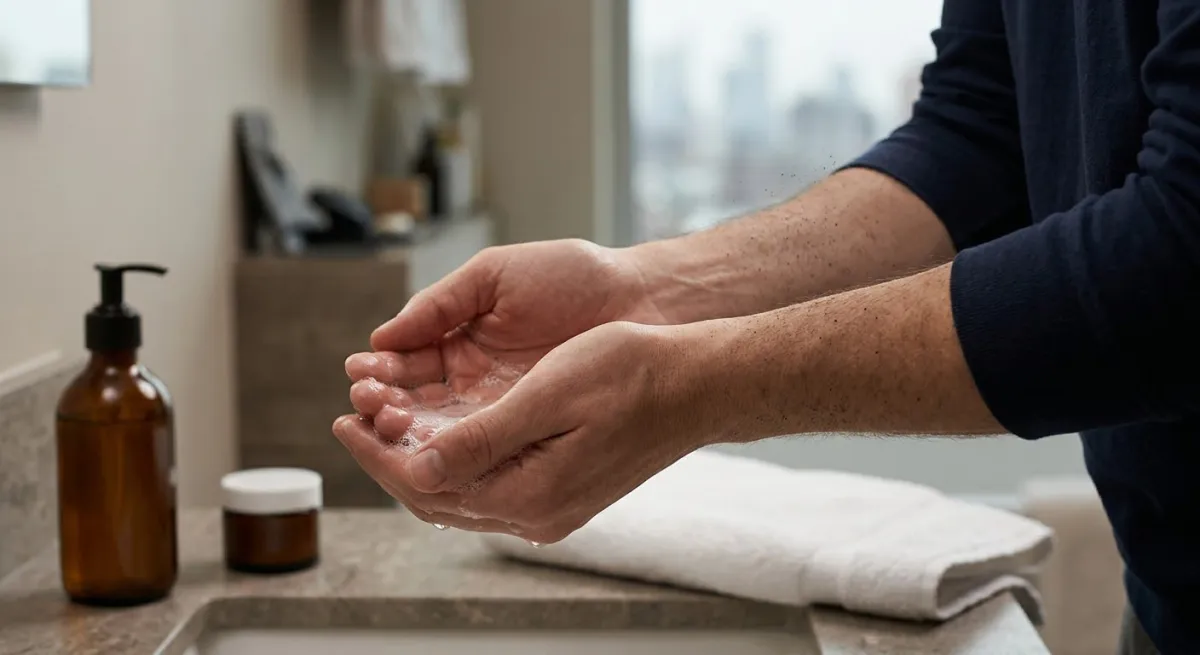
1. Cleanse Your Skin Gently
A gentle cleanser can help remove accumulated:
- Dirt
- Dust
- Sweat
- Excess oil
- Sunscreen
- Makeup
- Environmental particles
Avoid aggressive scrubbing or repeatedly washing your face with harsh cleansers.
Over-cleansing can contribute to dryness and irritation and may interfere with the skin barrier.
If your face feels very tight, burning, or unusually dry after cleansing, consider using a gentler cleanser.
2. Moisturize Regularly
Moisturizing is an important part of skin barrier protection.
Moisturizers can help reduce dryness and support the skin barrier. Common moisturizing ingredients include:
- Ceramides
- Glycerin
- Hyaluronic acid
- Petrolatum
- Other emollients
The right moisturizer depends on your skin type, including oily, dry, combination, acne-prone, or sensitive skin.
If you have sensitive skin, avoid adding several new products at the same time.
3. Use Sunscreen Every Morning
Sunscreen is one of the most important steps in protecting your skin from UV radiation.
The American Academy of Dermatology recommends choosing a broad-spectrum sunscreen with SPF 30 or higher, with water resistance when appropriate.
UV exposure contributes to sunburn and premature skin aging and plays an important role in pigmentation.
For prolonged outdoor exposure, additional protection such as shade, protective clothing, and a hat can also help reduce UV exposure.
Remember: sunscreen protects against UV radiation; it should not be described as a complete protection against air pollution.
4. Consider Antioxidant Skincare
Because oxidative stress is one mechanism being investigated in pollution-related skin damage, antioxidant skincare has received considerable research attention.
Common antioxidant ingredients include:
- Vitamin C
- Vitamin E
- Other antioxidant compounds
Topical vitamin C is also commonly used for uneven skin tone and hyperpigmentation concerns.
You can read our related guide:
Ingredients That Actually Help With Brightening Skin Tone
Different formulations can have different concentrations, stability, and tolerability, so results and irritation risk can vary between products.
5. Do Not Overload Irritated Skin With Active Ingredients
If your skin is already irritated from weather, pollution, over-cleansing, or another cause, adding multiple strong active ingredients may make the problem worse.
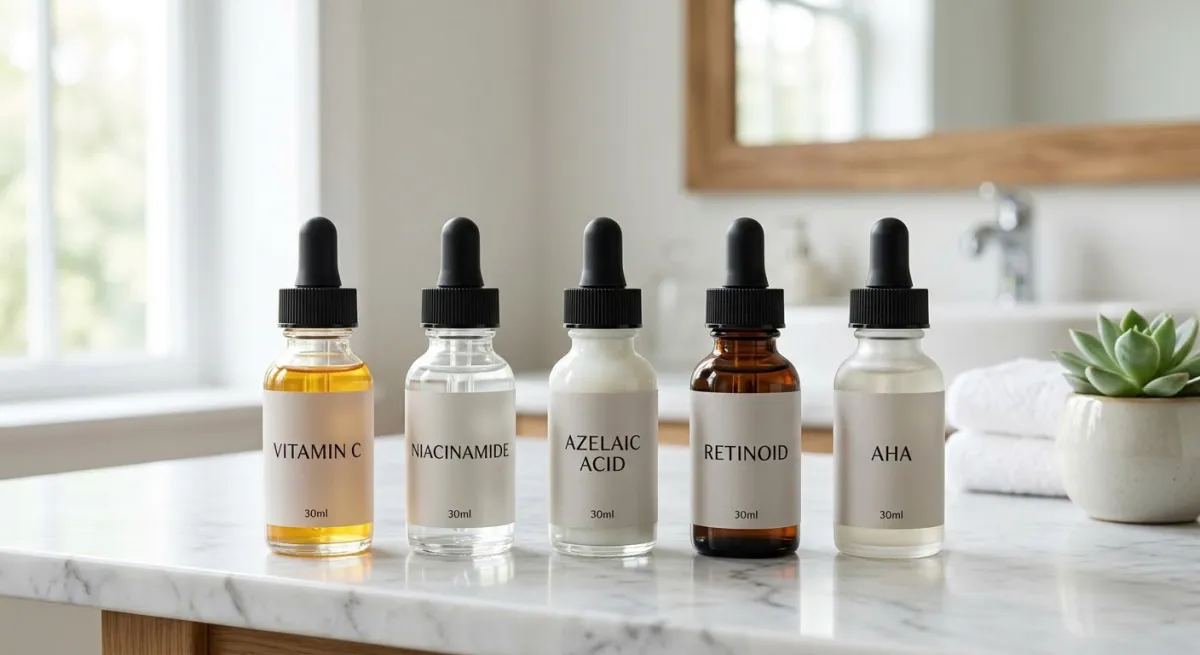
Be careful when combining:
- Retinoids
- Retinol
- AHAs
- BHAs
- Strong exfoliants
- Vitamin C products
- Azelaic acid
- Other active treatments
More skincare products do not necessarily mean better results.
For more information about common skincare mistakes, read:
Why Your Skincare Routine Isn't Working: 8 Common Mistakes to Avoid]
That guide explains why using too many products, excessive exfoliation, skipping sunscreen, ignoring the skin barrier, and frequently changing products can make skincare more difficult.
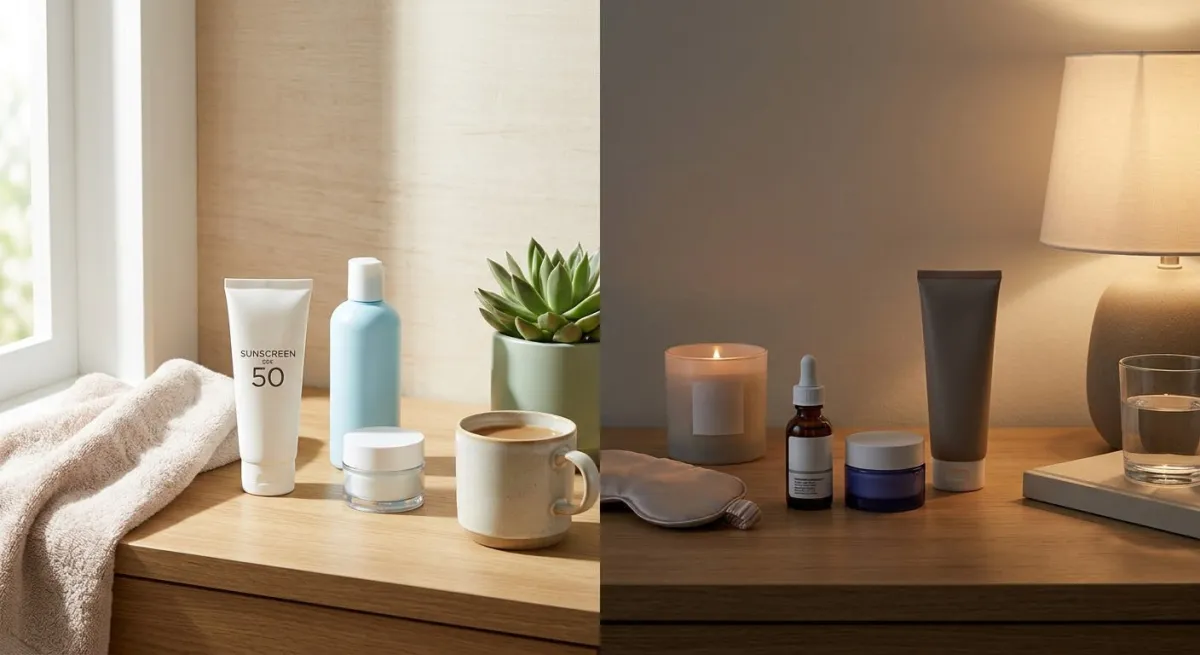
Morning vs Night Pollution Skincare Routine
A simple skincare routine is usually easier to maintain than a complicated routine with many products.
Morning Anti-Pollution Skincare Routine
- Gentle cleanser, if needed
- Antioxidant serum, if appropriate for your skin
- Moisturizer
- Broad-spectrum SPF 30+ sunscreen
The most important daytime protection is sun protection, especially when you will spend time outdoors.
Night Skincare Routine
- Gentle cleanser
- Treatment product, if appropriate
- Moisturizer
Your nighttime routine can focus more on cleansing and using appropriate treatments.
For a detailed comparison of daytime and nighttime skincare, read:
[Morning vs Night Skincare: Does Timing Really Matter?]
That article explains how cleanser, moisturizer, sunscreen, vitamin C, retinoids, and other treatments can fit into a simple AM/PM skincare routine.
Skincare Routine for Pollution in Pakistan
People living in Pakistani cities may be exposed to a combination of dust, traffic emissions, smoke, heat, humidity, and UV radiation.
Your skincare routine should therefore focus on basic skin protection rather than trying to use dozens of "anti-pollution" products.
A simple routine can include:
Morning:
Cleanser → Moisturizer → Sunscreen
Evening:
Cleanser → Treatment if needed → Moisturizer
If your skin is oily or acne-prone, choose products that feel comfortable and are appropriate for your skin type.
If your skin is dry or sensitive, prioritize gentle cleansing and moisturization.
If you experience irritation, reduce unnecessary active ingredients rather than adding more products.
Can Vitamin C Protect Skin From Pollution?
Vitamin C is an antioxidant ingredient commonly used in skincare.
Because oxidative stress is one mechanism associated with particulate-matter exposure, antioxidant ingredients such as vitamin C have been investigated for their potential role in protecting skin from environmental oxidative stress.
However, the effectiveness of a vitamin C product depends on factors such as its formulation, concentration, stability, and individual skin tolerance.
Therefore, vitamin C skincare should not be treated as a guaranteed anti-pollution shield.
It can be one optional part of a broader skincare routine that includes cleansing, moisturizing, and sun protection.
Can Niacinamide Help With Pollution-Damaged Skin?
Niacinamide is a form of vitamin B3 that is commonly used in skincare.
It is widely used in products designed to support the skin barrier and improve the appearance of uneven skin tone.
However, no single skincare ingredient can completely protect the skin from air pollution.
If you use niacinamide, introduce it according to the product instructions and pay attention to how your skin responds.
Other Ways to Reduce Exposure to Air Pollution
Skincare alone cannot eliminate exposure to polluted air.
When pollution levels are particularly high, practical steps may include:
- Check local air-quality information before spending long periods outdoors.
- Reduce unnecessary outdoor activity during severe pollution episodes.
- Avoid tobacco smoke.
- Keep indoor spaces clean.
- Improve indoor ventilation when outdoor air conditions allow.
- Reduce exposure to indoor smoke and cooking emissions where possible.
- Follow local public-health recommendations during severe pollution events.
Indoor air can also contain pollutants from tobacco smoke, cooking, and other sources.
Does Washing Your Face Remove Pollution?
Gentle cleansing can remove dirt, sweat, sunscreen, cosmetics, and some accumulated environmental particles from the skin.
However, washing your face repeatedly or using harsh scrubs is not necessary and can irritate the skin barrier.
A better approach is usually gentle cleansing without excessive scrubbing, followed by appropriate moisturization.
When Should You See a Dermatologist?
Not every skin problem is caused by pollution.
Consult a qualified dermatologist if you develop:
- Persistent facial redness
- Ongoing itching or burning
- A rash that does not improve
- Severe dryness or cracking
- Persistent acne
- New or rapidly changing pigmentation
- Unusual skin changes
- A skin condition that is becoming difficult to control
A dermatologist can determine whether environmental exposure is contributing to your symptoms or whether another skin condition requires treatment.
Common Anti-Pollution Skincare Mistakes
Avoid these common mistakes if you are trying to protect your skin from pollution:
Using Too Many Products
Adding multiple serums and active ingredients does not necessarily provide more protection.
Scrubbing Your Face Aggressively
Harsh physical scrubbing can irritate sensitive or already damaged skin.
Skipping Sunscreen
Air pollution does not replace the need for UV protection.
Changing Products Too Quickly
Frequent product changes make it difficult to know what is actually helping your skin.
Ignoring Your Skin Barrier
Dryness, burning, and irritation may be signs that your routine needs to become simpler.
Believing in "Pollution-Proof" Skincare Claims
No skincare product should be assumed to completely block the effects of polluted air.
The Bottom Line: How to Protect Your Skin From Pollution
Air pollution can affect skin health through several mechanisms, including oxidative stress, inflammation, and disruption of the skin barrier. Research has also reported associations between particulate-matter exposure and extrinsic skin aging and some inflammatory skin conditions.
However, pollution is only one factor affecting skin health.
A practical anti-pollution skincare routine does not need to be complicated.
Focus on:
- Gentle cleansing
- Regular moisturization
- Skin-barrier support
- Appropriate antioxidant skincare if tolerated
- Daily broad-spectrum sunscreen
- Reducing exposure to heavily polluted air when possible
- Avoiding unnecessary irritation from excessive active ingredients
If you have persistent redness, itching, burning, severe dryness, acne, pigmentation, or a rash, consult a qualified dermatologist instead of repeatedly trying new skincare products.
Frequently Asked Questions
Does air pollution damage your skin?
Research suggests that air pollution, particularly particulate matter, can contribute to oxidative stress, inflammation, skin-barrier dysfunction, and processes involved in extrinsic skin aging.
What is the best skincare routine for polluted air?
A simple routine can include gentle cleansing, moisturizer, and broad-spectrum sunscreen. An appropriate antioxidant or treatment product can be added depending on your skin's needs and tolerance.
Can air pollution cause acne?
Research has investigated links between particulate-matter exposure and acne, but acne has many possible causes. Pollution should not automatically be considered the primary cause of acne.
Does sunscreen protect skin from pollution?
Sunscreen primarily protects skin from UV radiation. It should be an important part of your skincare routine, but sunscreen should not be described as complete protection from air pollution.
Is vitamin C good for pollution-damaged skin?
Vitamin C is an antioxidant commonly used in skincare, and antioxidant formulations have been studied in relation to pollution-related oxidative stress. However, results depend on the formulation and individual skin response.
How often should I wash my face after pollution exposure?
There is no need to repeatedly wash your face throughout the day. Gentle cleansing as part of your normal routine can help remove accumulated dirt, sunscreen, sweat, and environmental particles without unnecessarily irritating the skin.
What ingredients help protect the skin barrier?
Common ingredients used to support moisturization and the skin barrier include ceramides, glycerin, hyaluronic acid, petrolatum, and other emollients. The best choice depends on your skin type and individual needs.
Can pollution cause premature skin aging?
Research has associated long-term environmental pollutant exposure with mechanisms involved in extrinsic skin aging, including oxidative stress and inflammation. UV radiation is also a major contributor to photoaging.
Leave a Comment