
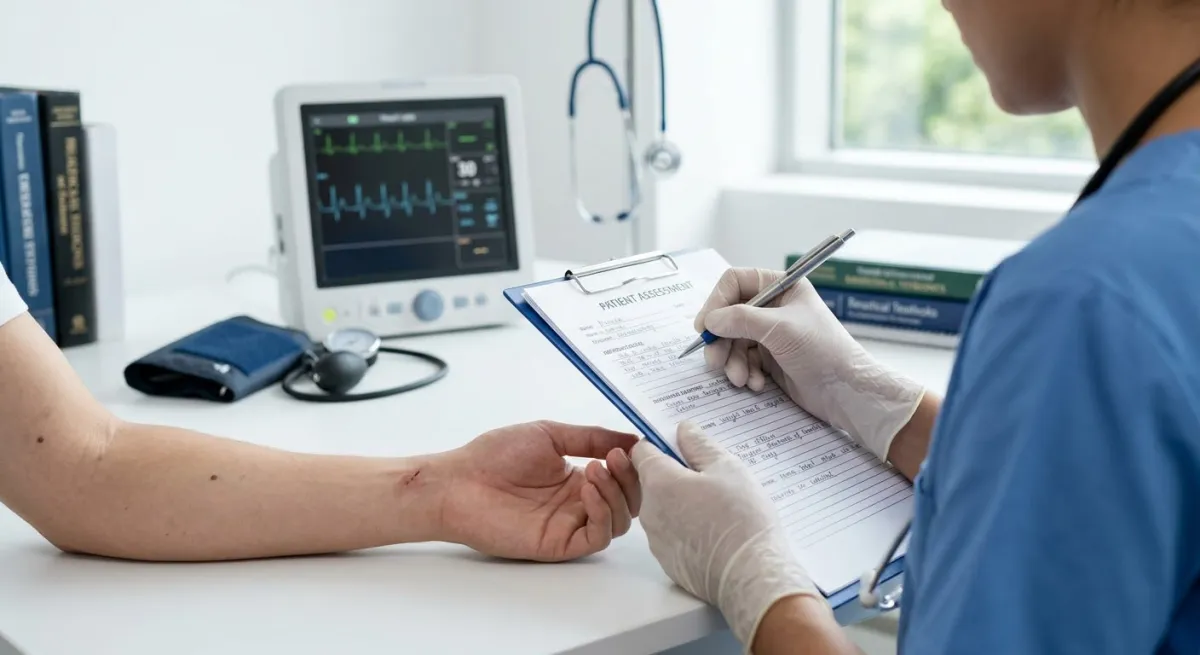
10 Health Sign Your Body Will Give You Before a Serious Diagnosis
Numerous health issues do not start suddenly with debilitating symptoms. In some cases, the body will provide subtle warning signs before developing the full-blown disease or condition. Unfortunately, many people tend to attribute these strange manifestations to a stressful lifestyle, aging, fatigue, or an unhealthy diet. Although most symptoms have benign explanations, you need to pay close attention if they persist or become frequent.
Several reasons explain why knowing the early warning signs is crucial. First, it helps you seek professional help before the situation escalates. Moreover, it reduces the risk of other complications by ensuring that the underlying disease or condition is diagnosed and treated early.
1. Unexplained Weight Loss
Significant unintentional weight loss can occur due to various reasons. Nevertheless, it is best to consult a doctor if you experience this symptom because it can be an indication of many illnesses, such as diabetes, depression, and multiple sclerosis among others.
2. Unusual Fatigue
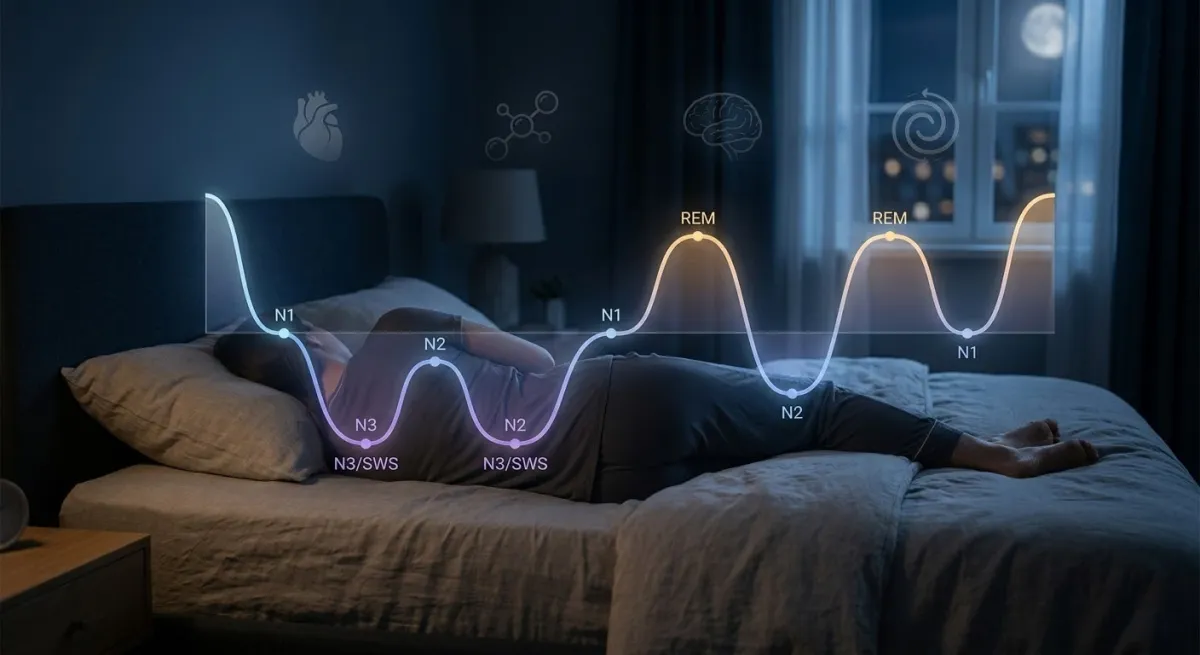
Feeling constantly tired and exhausted is a common occurrence, especially when you are stressed or lack enough sleep. However, if this symptoms persists despite trying to increase your sleep duration or reduce stress levels, it might be a warning sign that something is wrong.
Fatigue can also result from hormone irregularities, anemia, sleeping disorders, nutritional inadequacy, or infections.
3. Strange Shortness of Breath
Shortness of breath is an uncomfortable sensation that usually occurs due to the inability to inhale enough air. This symptom may arise when there is an increased demand for oxygen in the body, such as when exercising. However, if you find yourself struggling to breathe even after mild physical activity, it is time to see a doctor.
Moreover, sudden shortness of breath without an obvious cause should always be taken seriously since it can be a symptom of lung or heart disease.
4. Unusual Chest Discomfort
Chest pains can have various causes, ranging from simple muscle cramps to severe conditions such as a heart attack. Hence, whenever you experience new or frequent chest discomfort, it is essential to get it checked.
If the pain begins suddenly, becomes severe, or is accompanied by other concerning symptoms, such as nausea, vomiting, sweating, dizziness, or shortness of breath, you should seek emergency medical intervention.
5. Altered Bowel Movements or Habits
Unusual bowel movements can be a sign of something serious. For instance, if you experience symptoms such as unexplained constipation, diarrhea, abdominal pain or swelling, or notice blood in your stool, it is best to get these evaluated by a medical professional. Note that these symptoms can be an indication of many diseases, including various infections and digestive system disorders.
6. Frequent Excessive Thirst or Urination
Excessive thirst and frequent urination can be a sign of diabetes. Nevertheless, these symptoms can also be brought about by various other conditions. If you frequently experience these symptoms, it is essential to confirm whether blood sugar levels are normal.
7. A Wound That Does Not Heal
A typical wound can take several weeks to heal. However, if a cut, sore, or ulcer on your leg or feet has not healed within the expected time, you should visit a doctor to get it examined. Many diseases, such as diabetes and infections, can hinder the healing process and cause sores to linger for an unnecessarily long time.
8. Unusual Headaches or Neurological Symptoms
Having occasional headaches is normal, especially after a restless night. However, you should get sudden severe headaches checked, particularly if they happen frequently or come with other neurological symptoms.
Moreover, if you have a sudden severe headache that causes you to vomit, feel weak, or faint, you should seek emergency medical attention.
9. Unusual Lumps, Swelling, or Enlargement
If you discover a lump or a swollen area anywhere on your body, it is a good idea to get it checked if it persists for a long time. Most lumps are not cancerous, but it is crucial to determine their cause.
10. Any Unusual Changes in Skin or Moles
Unusual changes to the skin often take the form of a mole that grows bigger, changes shape or color, or starts bleeding. Moreover, persistent sores or ulcers that do not show signs of healing could also be an indication of something serious. In many cases, these symptoms can be an early sign of skin cancer.
When Should You See a Doctor?
Although every symptom that you experience should not necessarily point to a severe illness, you need to get any unusual changes checked. Moreover, if these symptoms persist or become severe, it is always better to err on the side of caution and speak to a medical professional.
Furthermore, if you have sudden severe symptoms that come on fast, such as intense chest pain or strange neurological symptoms, you need to get emergency medical help.
Conclusion
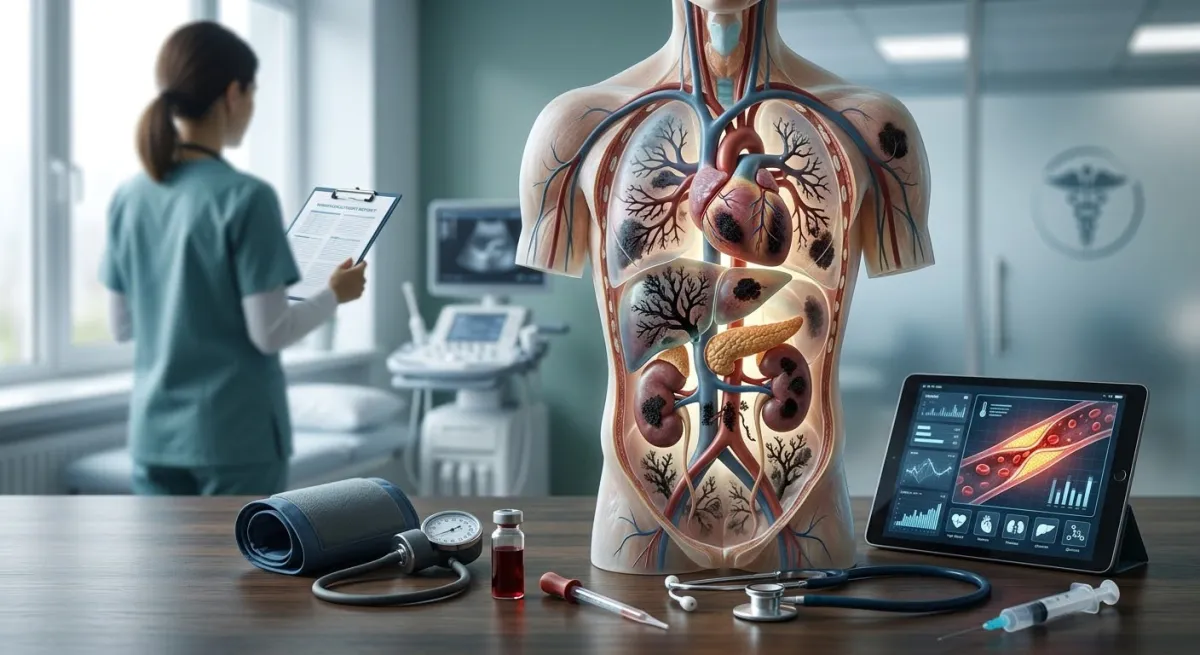
Your body rarely warns you of an impending serious health problem with easily recognized symptoms. You should always get unexplained weight loss, unusual fatigue, strange shortness of breath, chest discomfort, altered bowel movements, excessive thirst or urination, a wound that does not heal, unusual headaches or neurological symptoms, strange lumps, swelling, or changes in the skin or moles evaluated by a medical professional.
Note that your body is not trying to scare you, and most strange symptoms usually turn out to be something benign. However, it is always better to speak to a medical professional to rule out serious health problems.
Medical Disclaimer
The information contained in this article is for educational and informational purposes only and is not intended as health advice. Any statements made in this article have not been evaluated by the Food and Drug Administration and are not intended to diagnose, treat, or cure any disease. If you suspect that you have a medical problem or illness, we recommend that you seek appropriate medical attention from a qualified healthcare provider.

Leave a Comment